banner

Blog

Home

Blog

  • Detailed Explanation of 5 Types of Manual Diaphragm Valves
    Detailed Explanation of 5 Types of Manual Diaphragm Valves May 15, 2026
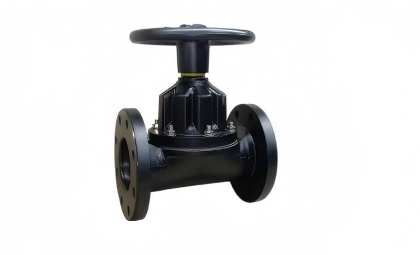
      In industrial pipeline systems, diaphragm valves have become the preferred choice for transporting corrosive, viscous, and particle-containing media, thanks to their core advantage of complete isolation between the medium and the driving components. Manual diaphragm valves are easy to operate and feature strong sealing performance, making them suitable for a variety of working conditions. However, different models vary significantly in structure, connection method, and applicable scenarios. Choosing the wrong model will not only affect pipeline efficiency but also lead to potential hazards such as valve damage and medium leakage. Today, we will fully break down 5 commonly used manual diaphragm valves — EG41J-10Q, G41J-10Q, G46J-10Q, EG11W-10Q, and EG16W-10Q. From structural differences and selection tips to a comparison of lining rubber materials, we will explain everything in one go to help you accurately match your working condition requirements and avoid selection mistakes!   I. First Understand the Core: Key Differences Between 5 Types of Manual Diaphragm Valves (Easy to Distinguish at a Glance)   All 5 of these diaphragm valves are manually operated with a nominal pressure of 1.0MPa (10Q). Their core differences lie in three dimensions: connection method, structural form, and execution standard, which directly determine their applicable scenarios. Below is a detailed breakdown of each, presented in a simple and straightforward manner.   1. EG41J-10Q Manual British Standard Weir-Type Diaphragm Valve Core Positioning: British Standard, suitable for foreign/international projects, weir-type structure focusing on tight sealing Structural Features: Designed and manufactured in accordance with British Standards (BS Standards), it adopts flange connection (the number 4 denotes flange connection) and a weir-type structure (the number 1 denotes weir-type). There is a raised diversion weir inside the valve body, which serves as the valve seat. The diaphragm is pressed down to fit the weir surface, achieving a tight seal. It has a short stroke, which reduces diaphragm stress and extends its service life. Additionally, it has no dead corners for medium accumulation and possesses certain throttling characteristics. Key Advantages: Complies with BS/EN/ISO international standards, with flange sizes and pressure ratings that seamlessly integrate with international pipeline systems. It offers excellent sealing performance, strong corrosion resistance, and robust resistance to particle-containing media. It can also be used in vacuum conditions (special enhanced diaphragms are available for high-vacuum applications). Applicable Scenarios: Foreign projects, supporting pipelines for British Commonwealth and European standards, such as the transportation of corrosive media in the chemical, environmental protection, and pharmaceutical industries. It is particularly suitable for scenarios with high sealing requirements and the need for compatibility with international equipment.   2. G41J-10Q Manual National Standard Weir-Type Diaphragm Valve Core Positioning: National Standard, widely used in China, cost-effective choice for weir-type structures Structural Features: Designed in accordance with national standards such as GB/T 12239 (the letter G denotes national standard), it uses flange connection (4) and a weir-type structure (1). It shares the same structural principle as the EG41J-10Q, with both achieving sealing by pressing the diaphragm against the weir surface. However, its execution standard, flange size, and structural length comply with national standards, making it more suitable for domestic pipeline systems. Key Advantages: Boasts a mature domestic supply chain, offering high cost-effectiveness, convenient installation and maintenance, and reliable sealing performance. It features no stuffing box design, eliminating the risk of stuffing leakage, and the valve stem is not corroded by the medium, making it suitable for most domestic industrial working conditions. Applicable Scenarios: Domestic chemical, metallurgical, municipal water supply and drainage, and sewage treatment industries. It is used to control corrosive and viscous media, particularly suitable for conventional working conditions and projects with a moderate budget. It is one of the most widely used weir-type diaphragm valves in China.   3. G46J-10Q Manual Straight-Through Diaphragm Valve Core Positioning: National Standard Straight-Through, Prioritizes Large Flow, Enables Unobstructed Transportation Structural Features: Designed to national standards (G), it uses flange connection (4) and a straight-through structure (the number 6 denotes straight-through). The valve body has a straight internal flow channel, allowing the medium to flow in a straight line without a diversion weir. When the diaphragm is fully lifted, the medium flow resistance is extremely low, and the flow rate is higher than that of weir-type valves. It also adopts a diaphragm isolation design to separate the medium from the driving components, preventing internal and external leakage. Key Advantages: Offers strong flow capacity and low pressure loss, making it suitable for large-flow medium transportation. Its simple structure prevents clogging, making it ideal for media containing minor particles, and it has low maintenance costs. The diaphragm is a wearing part that can be replaced regularly according to working conditions. Applicable Scenarios: Domestic large-flow pipeline systems, such as chemical raw material transportation, large-diameter pipelines in sewage treatment plants, and mine sewage discharge. It is particularly suitable for working conditions with low medium viscosity, high flow requirements, and a small amount of impurities.   4. EG11W-10Q Manual Weir-Type Threaded Diaphragm Valve Core Positioning: British Standard Threaded, Specialized for Small Diameters, Flexible Installation Structural Features: Complies with British Standards (EG), uses threaded connection (the number 1 denotes threaded connection), and has a weir-type structure (1). It is a small-diameter diaphragm valve (usually DN≤50), also known as a threaded diaphragm valve. It connects to the pipeline via internal threads, featuring a small volume and light weight. The weir-type structure ensures tight sealing, and the medium only comes into contact with the valve body and diaphragm, eliminating the risk of valve stem corrosion. Key Advantages: Requires no flange for installation, making it suitable for small-diameter pipelines and saving space. Its British Standard compliance allows it to adapt to small foreign equipment, and it offers good sealing performance, easy operation, and suitability for installation in narrow spaces. Applicable Scenarios: Small equipment pipelines, laboratory pipelines, and instrument supporting pipelines, such as the transportation of corrosive media in pharmaceutical laboratories, small chemical equipment, and precision instruments. It is suitable for scenarios with small flow, small diameter, and limited installation space.   5. EG16W-10Q Manual Straight-Through Threaded Diaphragm Valve Core Positioning: British Standard Threaded, Small Diameter + Large Flow, Flexible Adaptation Structural Features: Complies with British Standards (EG), uses threaded connection (1), and has a straight-through structure (6). It is designed for small diameters (DN≤50), with threaded connection enabling convenient installation. The straight-through flow channel reduces medium resistance, and its flow rate is higher than that of weir-type threaded diaphragm valves of the same diameter. The diaphragm isolation design prevents medium leakage, making it suitable for large-flow requirements in small-diameter pipelines. Key Advantages: Combines the installation flexibility of small diameters with the large-flow characteristics of straight-through structures. Its British Standard compliance makes it suitable for small foreign equipment, and it has no clogging risk, simple operation, and convenient maintenance. It is ideal for scenarios requiring large flow in small-diameter pipelines. Applicable Scenarios: Small foreign equipment, precision instrument pipelines, and small chemical pipelines, such as large-flow reagent transportation in laboratories and small corrosive medium circulation pipelines. It is suitable for small spaces with certain flow requirements.   II. Selection Tips: How to Choose the 5 Types of Valves? Match Directly According to Working Conditions   Core Selection Logic: First check the execution standard (domestic/foreign) → then select the connection method (flange/thread) → finally choose the structural form (weir-type/straight-through). Combine this with working condition parameters such as flow rate, diameter, and medium characteristics to achieve accurate matching and avoid wrong selections.   1. Selection by Execution Standard Domestic projects without international standard requirements: Prioritize G41J-10Q (weir-type flange) and G46J-10Q (straight-through flange), which are suitable for domestic pipelines, cost-effective, and easy to maintain. Foreign projects and British Standard/international standard supporting: Prioritize EG41J-10Q (weir-type flange), EG11W-10Q (weir-type threaded), and EG16W-10Q (straight-through threaded) to ensure seamless connection with international equipment and pipelines.   2. Selection by Connection Method Large-diameter pipelines (DN≥50) requiring stable connection: Choose flange connection (EG41J-10Q, G41J-10Q, G46J-10Q) for secure installation and suitability for industrial large-flow working conditions. Small-diameter pipelines (DN≤50) with limited installation space: Choose threaded connection (EG11W-10Q, EG16W-10Q) — no flange required, offering flexible installation and suitability for small equipment and laboratory scenarios.   3. Selection by Structural Form (Flow/Sealing) High sealing requirements and need for throttling control: Choose weir-type structures (EG41J-10Q, G41J-10Q, EG11W-10Q) for tight sealing, no medium accumulation, precise throttling, and suitability for working conditions with strict leakage requirements. High flow requirements, medium without impurities or containing a small amount of particles: Choose straight-through structures (G46J-10Q, EG16W-10Q) for low flow resistance, large flow rate, no clogging risk, and suitability for large-flow transportation scenarios.   4. Selection Quick Reference Table (Direct Comparison)   Valve Model Execution Standard Connection Method Structural Form Core Applicable Scenarios EG41J-10Q British Standard Flange Weir-Type Foreign projects, high sealing requirements, large-diameter pipelines with flange connection G41J-10Q National Standard Flange Weir-Type Domestic conventional working conditions, high sealing requirements, large-diameter pipelines with flange connection G46J-10Q National Standard Flange Straight-Through Domestic large-flow, large-diameter pipelines with flange connection, media containing a small amount of particles EG11W-10Q British Standard Threaded Weir-Type Foreign small equipment, small-diameter pipelines, high sealing requirements EG16W-10Q British Standard Threaded Straight-Through Foreign small equipment, small-diameter pipelines, large flow demand   III. Detailed Explanation of Lining Rubber Materials: Different Lining Rubbers Adapt to Different Media, Choose the Right One for Durability   The lining rubber (including the diaphragm material) of a diaphragm valve directly determines its corrosion resistance, temperature resistance, and service life. The core lining rubber materials include EPDM (Ethylene Propylene Diene Monomer), NR (Natural Rubber), Butyl Rubber, Hard Rubber, and Fluorine Rubber. Each material has distinct characteristics and must be selected accurately based on the medium type and temperature conditions to avoid valve failure caused by lining rubber aging or damage.   1. EPDM (Ethylene Propylene Diene Monomer) — Cost-Effective Choice for High-Temperature and Strong Alkali Core Characteristics: Extremely strong alkali resistance, capable of withstanding ≤40% NaOH (stable at 120℃), with a temperature resistance range of -50℃~150℃ (short-term resistance to 180℃ steam). It offers excellent aging resistance, ozone resistance, and steam resistance, and is not prone to cracking when used outdoors for long periods. It has good tolerance to water, hot water, weak acids, and alcohols. However, it has extremely poor oil resistance and organic solvent resistance, and will swell and fail quickly upon contact with oil. Applicable Media: Water, steam, high-temperature strong alkali, weak acid (≤50% H₂SO₄), sewage, circulating water, etc. Applicable Valves: Suitable for all 5 models, particularly ideal for working conditions such as municipal water supply and drainage, printing and dyeing, and chemical high-temperature alkali washing. It is one of the most widely used lining rubber materials.   2. NR (Natural Rubber) — Cost-Effective Option for Normal Temperature and Low Pressure Core Characteristics: Offers optimal elasticity and good low-temperature toughness, with simple processing and molding and the lowest cost. However, it has a low upper temperature limit (long-term use ≤60℃), weak aging resistance and weather resistance, and is not resistant to strong acids, concentrated alkalis, oxidants, or oils. It tends to harden and crack when exposed to outdoor sunlight and has high gas permeability. Applicable Media: Normal temperature dilute alkali (≤10% NaOH), fresh water, sewage, and low-pressure media without oil or strong corrosion. Applicable Valves: Suitable for scenarios with budget sensitivity and mild working conditions, such as civil low-pressure water supply and drainage and ordinary heating and ventilation pipelines. It can be used for national standard natural-color valves such as G41J-10Q and G46J-10Q.   3. Butyl Rubber (IIR) — First Choice for Strong Acid and High Air Tightness Core Characteristics: Provides optimal strong acid resistance, capable of withstanding 70% H₂SO₄ and 30% HCl (stable at normal temperature), and alkali resistance up to ≤20%  NaOH  (normal temperature). It offers excellent air tightness (gas permeability is 1/20 that of NR), good aging resistance, and a long service life (8-10 years). However, it is not resistant to oils and aromatics, its performance degrades under high-temperature and strong alkali conditions (>80℃), and it has average elasticity. Applicable Media: Strong acid media such as hydrochloric acid and phosphoric acid, gas media, and normal temperature strong acid slurries (e.g., desulfurization tower slurry). Applicable Valves: Weir-type valves such as EG41J-10Q and G41J-10Q, particularly suitable for strong acid working conditions in the chemical and desulfurization industries.   4. Hard Rubber — General-Purpose for Conventional Corrosion Conditions Core Characteristics: Features high hardness and good wear resistance, with resistance to corrosion by general weak acids, weak alkalis, and salt solutions. It has a moderate cost, stable mechanical strength, and is not easily deformed. However, it has average temperature resistance (long-term use ≤80℃), poor performance under strong corrosion and high-temperature conditions, and insufficient elasticity. Applicable Media: Conventional corrosive media, salt solutions, and chemical raw materials without strong corrosive components. Applicable Valves: Suitable for all 5 models, ideal for conventional corrosion working conditions and projects with a moderate budget and no high requirements for temperature resistance or strong corrosion resistance.   5. Fluorine Rubber (FKM) — Top Choice for Extreme Strong Corrosion Conditions Core Characteristics: Offers all-round strong corrosion resistance, capable of withstanding the full pH range of 1-14, and remains stable in 98% concentrated sulfuric acid, concentrated hydrochloric acid, high-temperature strong alkali, solvents, and oils. It has a temperature resistance range of -20℃~220℃ (short-term resistance to 250℃), optimal aging resistance and steam resistance, and a long service life (10-15 years). However, it is expensive (approximately 200-500 yuan/kg), has poor elasticity, and requires high processing standards. Applicable Media: Strong oxidants, concentrated strong acids, concentrated strong alkalis, mixed solvent media, and high-temperature oil media. Applicable Valves: Suitable for high-end industries such as fine chemicals, pharmaceuticals, and semiconductors, such as EG41J-10Q for high-end foreign projects and EG11W-10Q/EG16W-10Q for supporting precision instruments, used in extremely harsh working conditions.   Quick Memory for Lining Rubber Selection (Avoid Mistakes) Low budget, normal temperature dilute acid/alkali/water media → Choose NR High-temperature strong alkali, steam working conditions → Choose EPDM Normal temperature strong acid, high air tightness requirements → Choose Butyl Rubber Conventional corrosion, moderate budget → Choose Hard Rubber Extreme strong corrosion, high temperature, mixed solvents → Choose Fluorine Rubber (no need to worry about cost)   IV. Summary: 5 Types of Valves + Lining Rubber, No More Selection Mistakes   The core of manual diaphragm valve selection is "matching working conditions": for domestic conventional working conditions, prioritize national standard flange models (G41J-10Q, G46J-10Q); for foreign projects, choose British standard models (EG series); select threads for small diameters and flanges for large diameters; opt for weir-type for sealing and throttling, and straight-through for large flow. Lining rubber material is the "key to durability". It should be selected based on medium corrosion, temperature, and budget — there is no need to pursue the "most expensive" option; suitability is the best. EPDM/hard rubber is sufficient for conventional working conditions, directly choose fluorine rubber for extreme conditions, butyl rubber for strong acids, and NR for normal temperature and low pressure. We can customize exclusive lining rubber and valve models according to your specific working conditions (medium type, temperature, pressure, diameter, execution standard), providing full-process selection guidance and after-sales support to ensure each diaphragm valve operates stably and reduces operation and maintenance costs! If you have specific working condition requirements, please leave a message, and we will help you accurately match the valve + lining rubber combination!
  • The Advantages and Considerations of Safety Valve Dec 26, 2025
    The Critical Role of Safety Valves in Industrial Systems Safety valves are essential safety devices in pressure systems and are widely used in boilers, pressure vessels, pipelines, and various high-pressure equipment. When system pressure exceeds a preset limit, safety valves automatically open to release excess pressure, preventing equipment damage, system failure, and potential safety hazards.   In industries such as oil & gas, chemical processing, power generation, pharmaceuticals, and municipal engineering, safety valves are not only mandatory components but also a critical safeguard for both personnel and system integrity.   Key Advantages of Safety Valves 1. Automatic Overpressure Protection One of the greatest advantages of safety valves is their fully automatic operation. They function independently without external power or manual intervention, responding immediately to abnormal pressure increases. 2. Reliable Structure and Stable Performance Modern safety valves are designed with proven structures and high-quality sealing systems, ensuring reliable operation and consistent performance over long service periods with minimal maintenance. 3. Compliance with International Standards Safety valves are typically designed and manufactured in accordance with international standards such as ASME, API, and ISO, ensuring safety, reliability, and regulatory compliance across global markets. 4. Wide Range of Applications Safety valves are suitable for steam, gas, liquid, and corrosive media. With various materials, pressure ratings, and configurations available, they can be adapted to a wide range of operating conditions.   Important Considerations in Safety Valve Selection and Use Despite their critical role, proper selection and application of safety valves are essential to ensure effective protection. 1. Proper Set Pressure Selection The set pressure must align with the system design pressure. It should be high enough to avoid unnecessary activation, yet low enough to protect the system from overpressure conditions. 2. Medium Characteristics The properties of the process medium—such as temperature, corrosiveness, and cleanliness—must be carefully considered when selecting valve materials and sealing designs. 3. Discharge Capacity and Sizing The discharge capacity of a safety valve must be sufficient to relieve pressure under worst-case scenarios. Proper sizing calculations based on flow rate, pressure, and medium characteristics are essential. 4. Installation and Maintenance Correct installation orientation and location are critical for reliable performance. Regular inspection, testing, and recalibration are necessary to ensure the safety valve functions properly when required.   Typical Applications of Safety Valves Boilers and Pressure Vessels: Overpressure protection Oil & Gas Industry: Safety protection for pipelines and process units Chemical Industry: High-temperature and high-pressure services Power Generation: Steam systems and auxiliary equipment Pharmaceutical & Food Industry: Processes requiring high safety standards   Conclusion Safety valves are not merely components; they are vital safety devices that protect equipment, personnel, and production processes. Selecting high-quality safety valves combined with proper engineering support is essential for long-term, safe, and efficient system operation.   As a professional industrial valve manufacturer, CNM Valve provides safety valve solutions designed to meet international standards, offering reliable performance and technical support for demanding industrial applications.
  • CNM Valve: Applications and Functions of Industrial Valves Dec 26, 2025
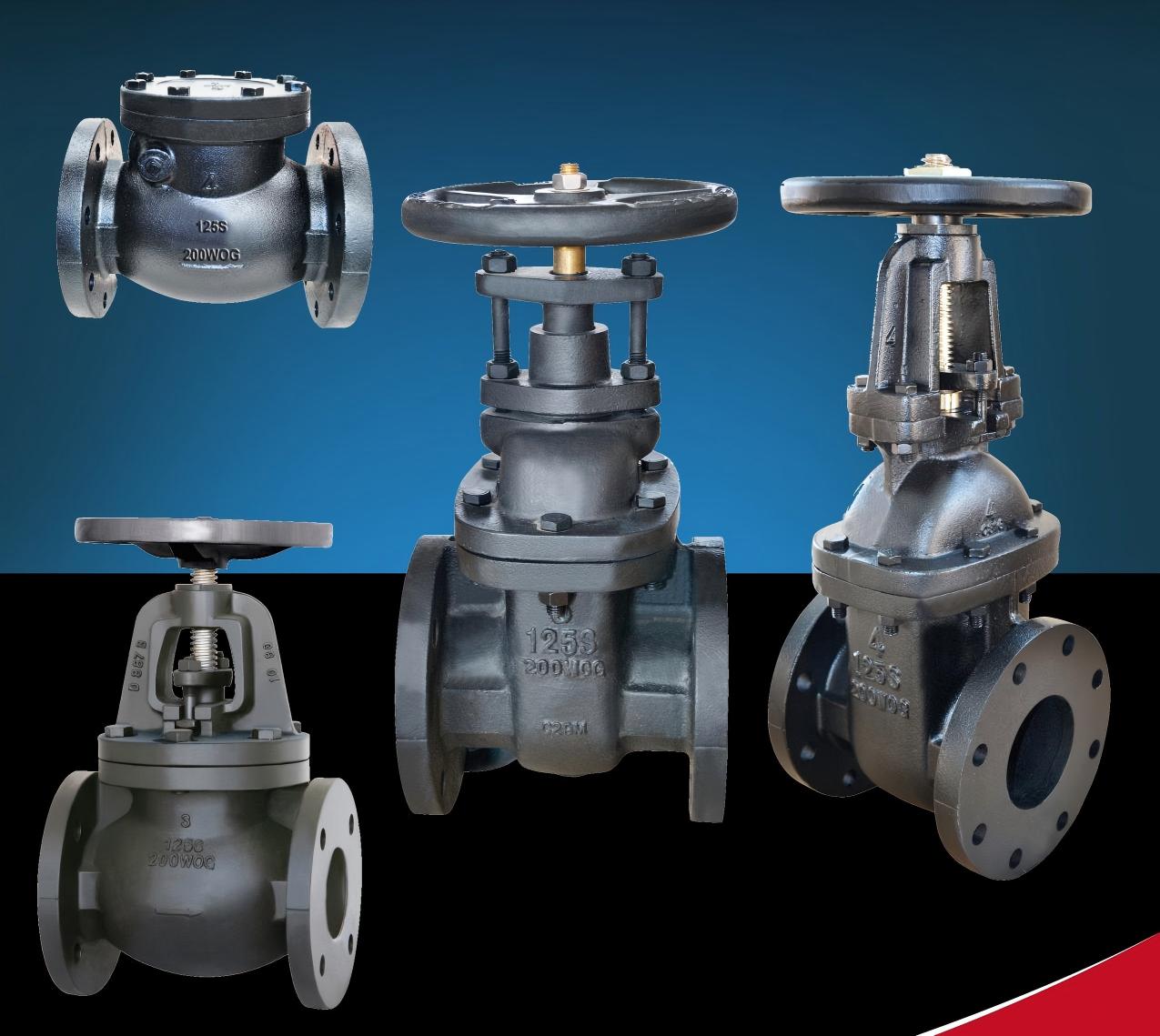
    The Role of Valves in Industrial Fluid Control Systems   Valves are critical components that ensure the safe, stable, and efficient operation of industrial piping systems. They play an essential role in flow isolation, flow regulation, pressure control, and system protection across industries such as oil & gas, chemical processing, power generation, water treatment, and municipal infrastructure.   As a professional industrial valve manufacturer, CNM Valve is committed to delivering reliable, high-quality valve solutions that comply with international standards and meet diverse operating requirements worldwide. Common Types of Industrial Valves and Their Functions   Ball Valve Ball valves feature quick operation and excellent sealing performance, making them ideal for applications requiring fast shut-off or frequent operation. They are widely used in water treatment, oil & gas, chemical, and general industrial services.   Gate Valve Gate valves are designed for fully open or fully closed operation, offering low flow resistance and reliable sealing. They are commonly used in large-diameter pipelines such as water supply networks, oil and gas transmission lines, and municipal projects.   Globe Valve Globe valves provide accurate flow and pressure control, making them suitable for steam systems, high-temperature and high-pressure services, and chemical process pipelines where precise regulation is required.   Butterfly Valve With a simple structure, light weight, and low operating torque, butterfly valves are ideal for large-diameter pipelines. They are widely applied in water supply systems, HVAC applications, and low to medium pressure industrial services.   Check Valve Check valves prevent reverse flow in piping systems, protecting pumps and other critical equipment. They are commonly installed at pump outlets and in compressed air and chemical processing systems.   Safety Valve Safety valves are essential pressure protection devices that automatically release excess pressure when it exceeds the preset limit. They are widely used in boilers, pressure vessels, and high-pressure pipeline systems.   Typical Applications Across Industries Oil & Gas Industry: Transportation and process control of crude oil and natural gas Water Treatment & Environmental Projects: Control of clean water, wastewater, and chemicals Power & Energy Sector: Steam, water, and cooling systems Chemical Industry: Corrosive media and high-pressure applications Municipal & Building Engineering: Water supply, heating, and fire protection systems   CNM Valve — Your Reliable Valve Partner CNM Valve continuously improves product design and manufacturing processes, with strict quality control in accordance with international standards. In addition to a comprehensive range of industrial valves, we provide technical support, valve selection assistance, and customized solutions to help customers achieve safe, efficient, and long-term system operation.
  • Latest Batch of Flanged Ball Valves Successfully Shipped to Venezuela
    Latest Batch of Flanged Ball Valves Successfully Shipped to Venezuela Dec 10, 2025
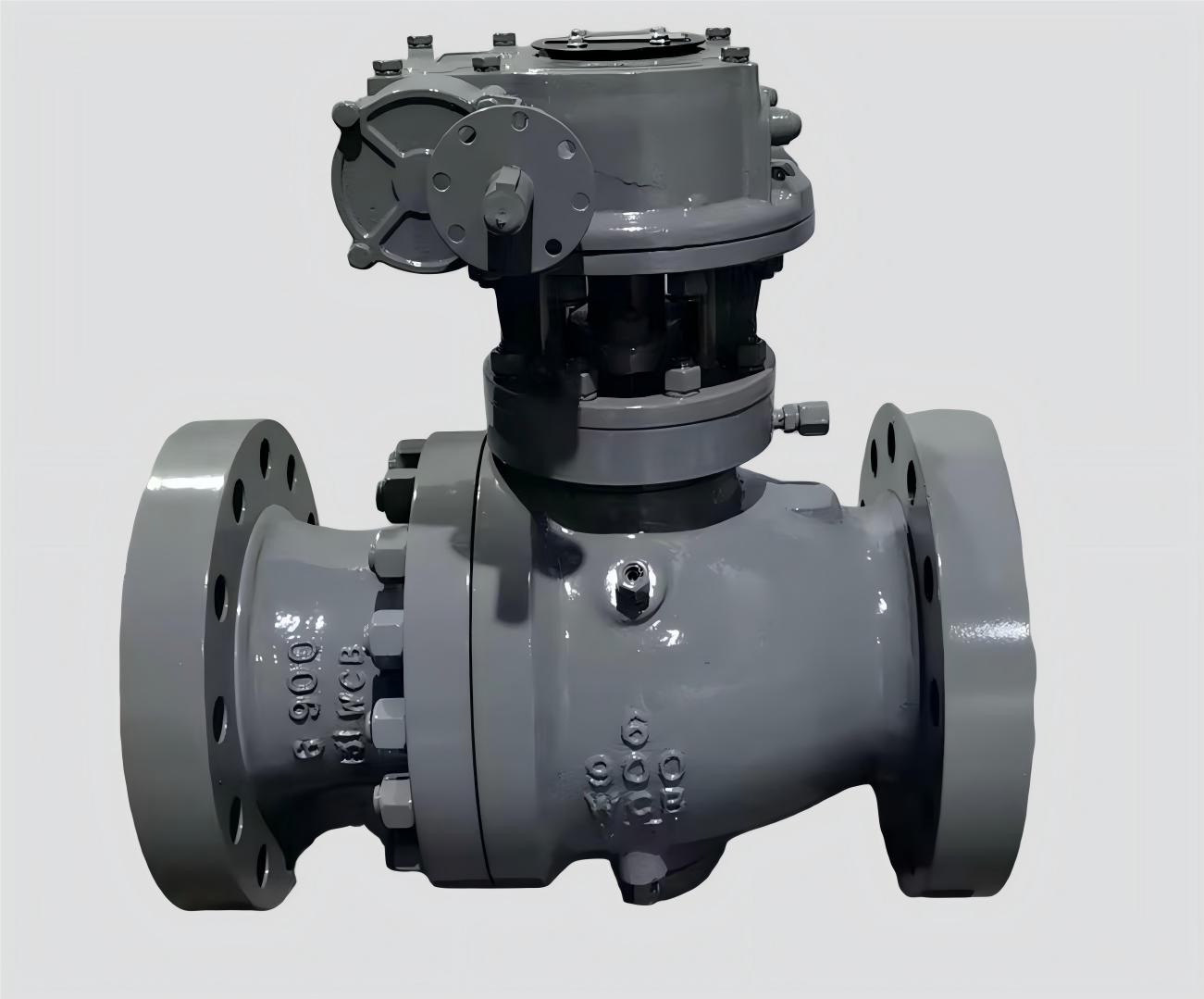
    Latest Batch of Flanged Ball Valves Successfully Shipped to Venezuela     CNM Valve is pleased to announce that our latest batch of flanged ball valves has successfully completed production and has now been shipped to our valued customer in Venezuela. This shipment marks another significant milestone in our continuous commitment to delivering high-quality industrial valve solutions to the global market.   Over the past weeks, our production team has been working intensively to ensure every valve meets strict international standards. From raw material inspection to precision machining, from pressure testing to final quality verification, each step was executed with rigorous attention to detail. The entire batch has undergone full inspection on structural dimensions, sealing performance, torque, and surface finish, ensuring that all products arrive ready for immediate installation and reliable long-term operation.   The Venezuelan market has long been an important region for CNM Valve. The successful dispatch of this shipment once again demonstrates the strong trust our overseas customers place in us, as well as our proven capabilities in quality control, technical expertise, and on-time delivery.   To better serve our global clients, CNM Valve continues to invest in advanced manufacturing equipment, tighten quality assurance processes, and expand professional customer support. We remain dedicated to providing durable and cost-effective valve solutions for industries such as oil & gas, petrochemical, water treatment, power generation, and general industrial applications.   As we move forward, we sincerely welcome both new and existing clients to continue placing orders with us. CNM Valve is fully prepared to meet increasing demand and to offer customized solutions tailored to different project needs.   Thank you for your continued trust. CNM Valve — Your Reliable Global Valve Partner.
  • High-Performance Valve Solutions for Global Fluid Control
    High-Performance Valve Solutions for Global Fluid Control Sep 05, 2025
    In industrial production and fluid control systems, valves are indispensable components. As a professional valve manufacturer, CNM VALVE is committed to providing global customers with high-quality, reliable, and cost-effective valve solutions. From oil, gas, chemical, and power industries to food, pharmaceutical, and water treatment applications, our valves ensure safe operations and improve system efficiency.   The Six Core Product Series of CNM VALVE:     Ball Valve: Known for quick operation, excellent sealing, and low torque. Widely applied in oil and gas pipelines, especially suitable for applications requiring fast shut-off. Gate Valve: Featuring a straight-through flow path and low flow resistance, commonly used in water supply systems, power plants, and paper mills, ensuring full-bore flow. Globe Valve: Ideal for precise flow control due to its excellent throttling performance, suitable for steam, compressed air, and other high-temperature, high-pressure media. Check Valve: Prevents reverse flow, effectively protecting pumps and equipment, and is widely used in both high- and low-pressure systems. Butterfly Valve: Lightweight and compact, particularly suitable for large-diameter, low-pressure pipelines. Easy to install and maintain, widely applied in municipal water and ventilation systems. Diaphragm Valve: Using a flexible diaphragm as the closing element, it is perfect for corrosive, particle-containing, or high-purity media. Extensively applied in food, pharmaceutical, and water treatment industries.   With the rise of Industry 4.0 and smart manufacturing, customers now demand valves with higher sealing performance, stronger corrosion resistance, and intelligent monitoring capabilities. Guided by the philosophy of “Quality First, Customer Oriented,” CNM VALVE continuously innovates and applies strict quality control systems to deliver tailored fluid control solutions. Choosing CNM VALVE means choosing reliability, durability, and professionalism. We are not only a product supplier but also your long-term trusted partner.
  • Plug Valve: The Versatile Expert in Pipeline Fluid Control Jul 04, 2025
    Plug Valve: The Versatile Expert in Pipeline Fluid Control   In the vast network of pipeline systems, the plug valve is indeed a capable expert in controlling fluids. Its core component is a rotatable plug, which is just like a flexible "rotary switch". There are through - holes of different shapes distributed on the plug. As the plug rotates, the through - holes align with or stagger from the pipeline, thus ingeniously realizing the on - off control and flow regulation of the fluid. This process is like equipping the pipeline with a magical "rotary key", which can easily control the flow direction and flow rate of the fluid.   The family of plug valves is rich and diverse in types. The ordinary plug valve is the most basic type, with a simple structure and relatively low cost. Its plug is usually cylindrical, and the rotation operation is very convenient. This kind of plug valve is suitable for occasions with low requirements for sealing performance and clean media, such as some simple water pipeline systems. In these scenarios, it is like a simple and unadorned "basic guard", silently safeguarding the normal flow of ordinary fluids. Although it seems ordinary, it is indispensable.   The oil - sealed plug valve is an upgraded version of the ordinary plug valve, with an additional oil - sealing device. This layer of oil seal is just like putting on a solid "sealing armor" for the plug, greatly improving the sealing performance of the valve. Therefore, it is often used in occasions where high - sealing - performance fluids such as oil and natural gas are transported. In these key transportation processes, the oil - sealed plug valve is like a meticulous and rigorous "sealing guard", always on high alert to ensure the safe and leak - free transportation of energy, providing a solid guarantee for the stable operation of industrial production and energy supply.   The plug - ball valve combines the advantages of both the plug valve and the ball valve, with a more ingenious plug design. It not only has good sealing performance to effectively prevent fluid leakage but also has the characteristic of fast opening and closing. In some industrial scenarios with extremely high requirements for fluid - cutting speed, such as emergency - cutting devices in chemical production, the plug - ball valve is like an agile and efficient "emergency vanguard". In critical moments, it can respond quickly and cut off the fluid rapidly to avoid potential dangers and losses, ensuring the safety and stability of the production process.   In terms of urban water supply and drainage systems, the plug valve plays an important role in water supply and drainage pipe networks. It can be opened and closed quickly, providing great convenience for pipeline maintenance and repair work, and effectively ensuring the stable operation of the urban water system. It can be called the "water - flow commander" in the field of water supply and drainage. Whether it is the daily water - supply scheduling or the emergency treatment in case of sudden situations, the plug valve can play a key role to ensure the unobstructed "lifeline" of the city.   In the petrochemical industry, the plug valve is widely used due to its good sealing performance and excellent corrosion resistance. In this challenging field, whether it is transporting highly corrosive chemical raw materials or handling flammable and explosive petroleum products, the plug valve can give full play to its own advantages. It is like a loyal and reliable "safety guardian", always sticking to its post to ensure the safety and stability of the production process, escorting the vigorous development of the petrochemical industry.   In the field of gas transportation, for gas, a flammable and explosive fluid, the sealing performance is undoubtedly crucial. The unique oil - seal design of the plug valve makes it perform excellently in gas - transportation pipelines, just like a trustworthy "gas guard", safeguarding the gas - using safety of every household. It not only ensures the stable supply of gas but also provides a reliable safety guarantee for people's daily lives, allowing people to use gas resources with peace of mind.   Although the plug valve may not be eye - catching in appearance, with its unique structure and diverse performance, it plays an irreplaceable and important role in the field of pipeline fluid control. It is like a silent "rotary - core hero", providing all - round escort for our production and life in its own unique way, leaving a solid and reliable mark in all aspects of industrial production and daily life.
  • Steam Trap: The Energy - saving Expert in Steam Systems Jul 04, 2025
    Steam Trap: The Energy - saving Expert in Steam Systems   The steam trap is mainly active in the world of steam pipelines and equipment. It shoulders the sacred mission of automatically removing the condensed water in the system while preventing steam leakage. Imagine that it is like a smart "water - screening device", only releasing the excess water while firmly retaining the precious steam.   With its ingenious design, the steam trap can accurately control the flow direction of the fluid according to the different characteristics of steam and condensed water, escorting the efficient operation of the steam system.   There are various types of steam traps. The mechanical steam trap is one of the most common types. It cleverly uses the density difference between steam and condensed water to work. Just like a "gravity - sensing guard", when the condensed water accumulates to a certain extent, due to its own weight, it will trigger the valve to open and discharge the water. This type of steam trap has a simple structure and a large drainage capacity, and is suitable for various large - scale steam equipment such as industrial boilers, always guarding the normal operation of the equipment.   The thermostatic steam trap is like a keen "temperature detective", controlling the valve by detecting the temperature difference between steam and condensed water. When the temperature reaches a certain level, indicating that the steam has condensed into water, the valve will open in a timely manner to drain the water. This kind of steam trap can accurately control the drainage timing, and is especially suitable for occasions with high requirements for steam quality, such as steam heating equipment in the textile and dyeing industry, to ensure the stable supply of steam during the production process.   The thermodynamic steam trap operates by using the differences in the thermodynamics characteristics of steam and condensed water. It is like an energetic "power boy", realizing the opening and closing of the valve through the pressure changes of steam. This type of steam trap has a compact structure and sensitive action, and is widely used in various steam pipeline systems. It can quickly and effectively remove the condensed water and ensure the smooth delivery of steam.   In many industrial production fields such as chemical, pharmaceutical, and food processing, steam is an important energy source. The steam trap can ensure the efficient operation of steam equipment, avoid equipment damage or production efficiency decline caused by water accumulation, and is like a reliable "industrial assistant", escorting the stable progress of industrial production. In the heating, ventilation, and air - conditioning (HVAC) systems for winter heating and air - conditioning refrigeration, the steam trap plays a key role. It can promptly remove the condensed water in the pipeline, prevent pipeline corrosion and blockage, and create a comfortable environment indoors. It can be called a "comfort guardian" of the HVAC system. In the steam cycle system of thermal power plants, the role of the steam trap cannot be underestimated. It can effectively recover the steam condensed water, improve energy - use efficiency, and reduce production costs. It is an "energy - saving expert" in power production. Although the steam trap is small in size, it has an irreplaceable role in the steam system.
  • Blow - off Valve: The Cleaning Guardian of Pipeline Systems Jul 04, 2025
    Blow - off Valve: The Cleaning Guardian of Pipeline Systems   On the grand stage of various pipeline systems, the blow - off valve plays a crucial and vital role as a "cleaning guardian". Its core responsibility is to discharge all the dirt, impurities, and waste water accumulated in the pipeline, fully ensuring the normal operation and good working conditions of the pipeline system.   Imagine that the blow - off valve is like a hard - working and tireless "pipeline cleaner", always on high alert, ready to clean up the "garbage" in the pipeline and keep the pipeline unobstructed at all times. Through ingenious design and reliable control methods, the blow - off valve can accurately open at the required moment and efficiently complete the heavy task of sewage discharge.   The family of blow - off valves is diverse. The gate - type blow - off valve is a common member. Its structure is similar to that of a gate valve, and it controls the opening and closing of the sewage outlet through the lifting of the gate plate. When the gate plate rises, it is just like opening a door, and the dirt in the pipeline can be smoothly discharged. This kind of blow - off valve has a simple structure and is easy to operate, and is suitable for various large - scale pipeline systems such as municipal sewage pipe networks and industrial wastewater discharge pipelines. It can be called a "basic expert" in sewage discharge work.   The plug - type blow - off valve is like a flexible "rotary switch", which realizes the opening and closing of the sewage outlet by rotating the plug. There are specific channels on the plug, and when it is rotated to the appropriate position, the dirt and waste water can be discharged. It has the characteristics of fast opening and closing, and is suitable for quickly discharging sewage in occasions such as the bottom of the reactor in factories. It is an "agile pioneer" in the field of sewage discharge.   The ball - type blow - off valve uses a sphere as the valve core and controls the on - off of the fluid through the rotation of the sphere. When the through - hole on the sphere is aligned with the pipeline, it is like opening a green channel, allowing sewage and impurities to be quickly discharged. This kind of blow - off valve has excellent sealing performance and wear resistance, and is often used in pipeline systems with high requirements for sealing performance, such as sewage pipelines in the petrochemical industry. It is a well - deserved "sealing guard" in the field of sewage discharge.   In the water supply plants and sewage treatment and drainage systems of cities, the blow - off valve plays a pivotal role, promptly removing sediment, impurities, etc. in the pipeline to ensure the cleanliness of water supply and the smoothness of drainage. It is a "strong backup" for the normal operation of the urban water system. In the industrial production fields such as chemical, steel, and papermaking, the blow - off valve can safely and efficiently discharge a large amount of waste water and waste residue generated in the production process, prevent pipeline blockage and equipment damage, and ensure the continuity and stability of industrial production. It is a "loyal partner" on the industrial production line. In the water supply and drainage systems of high - rise buildings, the blow - off valve is responsible for discharging condensed water, sewage, etc. in the pipeline. It is a "thoughtful assistant" for the normal operation of building facilities.
  • Control Valve: The Precise "Commander" of Fluid Control
    Control Valve: The Precise "Commander" of Fluid Control Apr 07, 2025
    In the grand stage of pipeline fluid control, the control valve is undoubtedly the "leading role". Today, let's get to know this "big shot" that can precisely regulate the fluid.   What is a control valve? A control valve is a type of valve used to regulate parameters such as the flow rate, pressure, and temperature of the fluid in a pipeline. It is like an intelligent "traffic policeman". According to the needs of the system, it can flexibly adjust the valve opening, thereby controlling the flow state of the fluid. By receiving signals from various sensors, the control valve can react in real time to ensure that the fluid always operates according to the predetermined parameters, providing a strong guarantee for the stable operation of the entire system.   The Diverse Types of Control Valves Pneumatic Control Valve: Using compressed air as the power source, it drives the valve to act by controlling the air pressure. It has a fast response speed and high control precision, just like an agile "athlete". It is often used in industrial automation production lines with high requirements for control precision and fast response speed. For example, in the feed control of the reactor in chemical production, it can accurately regulate the material flow rate to ensure the stability of the production process. Electric Control Valve: Using an electric motor as the driving device, it controls the opening and closing of the valve through electrical signals. It is easy to operate and is convenient for realizing remote control, just like a "commander" that can be remotely controlled. In the building automation system, the electric control valve is often used for the temperature regulation of the air conditioning system. According to the changes in indoor and outdoor temperatures, it can automatically adjust the flow rate of chilled water or hot water to create a comfortable indoor environment for people. Self-operated Control Valve: It does not require external energy and relies on the energy of the fluid itself to achieve regulation. It is like a self-sufficient "lone ranger" that can automatically adjust the valve opening according to parameters such as the pressure and temperature of the fluid in the pipeline. For example, in the heating system, the self-operated control valve can automatically adjust the flow rate of steam or hot water according to the needs of the user end to achieve energy-saving and efficient heating.   The Application Scenarios of Control Valves Petrochemical Industry: In processes such as petroleum refining and chemical production, it is necessary to precisely control the flow rate and pressure of various fluids. The control valve can ensure that chemical reactions occur under appropriate conditions and prevent safety accidents caused by the out-of-control of fluid parameters. It is the "safety guardian" of chemical production. Power Industry: In thermal power plants, the control valve is used to control the flow rate and pressure of steam, regulate the combustion efficiency of the boiler, and ensure the stable operation of the power generation equipment. It is like the "power regulator" of the power plant, contributing to the stable supply of electricity. Environmental Protection and Water Treatment: In sewage treatment plants, the control valve can adjust the dosage of the chemical dosing device according to the changes in the flow rate and water quality of the sewage, and control the flow velocity of the sewage in each treatment process to ensure that the sewage treatment effect meets the standards. It is the "green facilitator" of environmental protection undertakings.
  • Valve Design under Special Working Conditions - How to Select the Type in Extreme Environments? Mar 04, 2025
    In deep sea, high temperature or highly corrosive environments, valves require customized design: • Deep sea valves: Use titanium alloy materials to resist high pressure (such as the Christmas tree valves at a depth of 3000 meters underwater). • Nuclear power plant valves: They need to meet the ASME N-level certification to prevent radiation leakage (such as the main steam isolation valve). • Ultra-low temperature valves: For the pipelines of liquid nitrogen (-196°C), extended valve stems are used to avoid the cold embrittlement phenomenon.   Trend: 3D printing technology is being applied to the manufacturing of valve components with complex structures, shortening the delivery cycle and reducing costs.
  • Common Faults of Valves and Maintenance Guide -The Secret to Extending Equipment Life Feb 01, 2025
    Valve failures may lead to system shutdowns and even safety accidents. The following are common problems and countermeasures: 1. Leakage: Seat wear: Regularly replace the sealing ring or grind the valve seat. Packing box failure: Use graphite or PTFE packing to enhance the sealing performance.   2. Sticking: Medium crystallization: Use steam tracing or clean the pipeline (for example, in a urea plant, flush the check valve with hot water). Actuator failure: Check whether the air supply pressure or the motor torque meets the standard.   Maintenance suggestions: • Lubricate the valve stem every quarter and conduct a pressure test every year. • Establish a valve file to record the maintenance history and the replacement cycle of spare parts.
  • Smart Valve Technology - The "Smart Switch" in the Industry 4.0 Era Feb 21, 2025
    With the development of Internet of Things (IoT) and AI technology, valves are being upgraded from mechanical components to intelligent terminals.    - Remote monitoring: real-time collection of valve opening, pressure, and temperature data through sensors, and analysis of abnormalities (e.g., leakage warning) in the cloud.    - Predictive maintenance: AI algorithms predict valve life based on historical data, reducing unplanned downtime (e.g., a power plant reduced maintenance costs by 30% through intelligent butterfly valves).    - Automatic adjustment: In water supply systems, smart valves can dynamically adjust to flow demand to optimise energy consumption.     Challenges: Network security and data compatibility are still difficult to promote, and solutions need to be designed in conjunction with industry standards (e.g. ISA-95).  
1 2
A total of2pages
Contact Us
Follow Us
f y
Subsribe Us:
submit

WuHu Cnm Valve Industry Co.,Ltd.

Copyright @2024 WuHu Cnm Valve Industry Co.,Ltd. All Rights Reserved. Sitemap / Blog / Xml / Privacy Policy Network Supported

leave a message

leave a message
If you are interested in our products and want to know more details,please leave a message here,we will reply you as soon as we can.
submit

home

products

WhatsApp

Contact Us